Could the dormant water sitting in your property's pipework be the single biggest risk to your business reputation in 2026? With the Health and Safety Executive reporting 484 confirmed cases of Legionnaires' disease across England and Wales in 2023, the threat from legionella bacteria is far from theoretical. You likely feel the weight of legal liability every time a new regulation is announced, and trying to decipher complex technical jargon can make water safety feel like an unnecessary headache.
We understand that you want to protect your tenants without getting bogged down in endless paperwork. This guide promises to strip away the complexity, helping you understand exactly how these pathogens grow and where they hide in your specific property type. You will gain the clarity needed to identify risk factors before they become hazards, transforming a daunting regulatory burden into a streamlined process for total compliance.
We'll examine the biology of waterborne risks, highlight the high-risk areas every landlord must monitor, and provide a clear roadmap to achieving lasting peace of mind through Compliance Care.
Key Takeaways
- Identify the biological traits of legionella bacteria and understand why man-made water systems create a unique threat to your property.
- Recognise the "Danger Zone" temperature range and the environmental triggers that allow harmful bacteria to multiply in domestic plumbing.
- Understand how Legionnaires’ disease is transmitted to implement precise safety measures that protect your tenants from severe respiratory risks.
- Master the primary UK defence strategies, focusing on temperature control and maintenance to keep your water systems safe and hostile to growth.
- Bridge the gap between biological risks and legal obligations to ensure your property achieves full ACOP L8 compliance for total peace of mind.
What is Legionella Bacteria? An Introduction for Property Owners
Legionella is a genus of Gram-negative bacteria that exists naturally in environmental water sources. While it's relatively harmless in low concentrations within ponds or lakes, it becomes a significant health risk when it enters building systems. For property owners, understanding What is Legionella? is the first step toward effective risk management. The primary concern is Legionella pneumophila, the species responsible for approximately 90% of Legionnaires' disease cases. When legionella bacteria find their way into your internal pipework, they don't just survive; they multiply rapidly. This shift from a natural setting to a concentrated man-made environment turns a biological curiosity into a serious legal and safety obligation.
The Origins and Evolution of the Bacteria
In the wild, these bacteria survive by living as parasites inside single-celled organisms called amoebae. This evolutionary trait makes them incredibly resilient to standard environmental stressors. The world first recognised the danger in 1976 following a severe outbreak at an American Legion convention in Philadelphia, which led to 29 deaths and 182 infections. This event gave the bacteria its name and sparked the modern era of water safety regulations. Legionella bacteria have evolved to thrive in the complex, warm environments created by modern plumbing. By understanding this history, you can better appreciate why your building's water system requires proactive monitoring rather than reactive fixes.
Why Man-Made Systems are the Perfect Host
The transition from a cool lake to a building's plumbing provides the bacteria with a "perfect storm" for growth. In natural settings, water temperatures rarely stay within the danger zone for long. However, domestic systems often maintain water between 20°C and 45°C, the ideal range for bacterial activity. This leads to "amplification," where a small number of bacteria grow into a dangerous colony. Several factors in your property can accelerate this:
- Stagnant water in "dead legs" or infrequently used taps.
- The presence of scale, rust, or biofilm which provides nutrients.
- Temperature fluctuations in calorifiers or storage tanks.
Controlling these factors is the essence of compliance. We help you identify these risks before they become a hazard, ensuring your tenants stay safe and your legal duties are met without the stress of complex jargon. Our approach transforms the technical burden of water safety into a clear, manageable process that protects both your residents and your reputation.
Where Legionella Bacteria Grows: Identifying High-Risk Areas
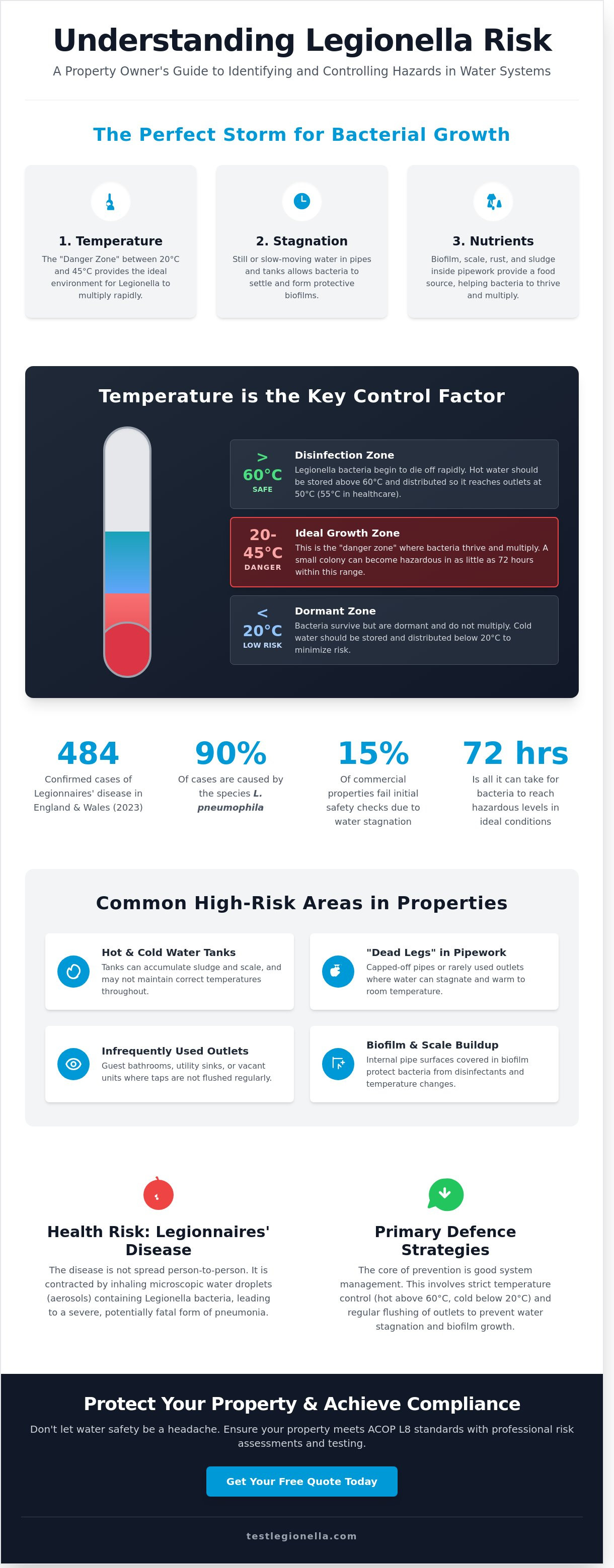
Legionella bacteria isn't a rare intruder; it's a naturally occurring organism that frequently enters man-made water systems through the mains supply. To protect your property, you must understand the specific environment that allows these bacteria to multiply into a dangerous colony. Three factors create the perfect storm for growth: temperature, nutrients, and stagnation. When these elements align, a small population of bacteria can reach hazardous levels in as little as 72 hours.
Temperature control is your first line of defence. The "Danger Zone" for bacterial proliferation sits between 20°C and 45°C. Within this range, the bacteria thrive and multiply rapidly. Below 20°C, the organisms remain dormant but survive. Once temperatures exceed 60°C, the bacteria begin to die. This is why maintaining precise thermal control is a cornerstone of HSE guidance on Legionella. If your hot water cylinders don't reach the correct heat or your cold water pipes aren't properly insulated, you're creating a high-risk environment.
Stagnation is the second major risk factor. Water that doesn't move becomes a breeding ground. "Dead legs," which are lengths of pipe leading to a capped end or a rarely used outlet, allow water to sit and warm up to ambient room temperature. According to 2023 industry safety audits, approximately 15% of commercial properties fail their initial water safety check specifically due to stagnation in overlooked pipework.
The Role of Biofilms and Nutrients
Biofilm is a complex, protective slime layer that forms on the internal surfaces of pipes and tanks. It acts as a fortress. This layer shields legionella bacteria from standard chlorine treatments and minor temperature fluctuations. Within this microscopic ecosystem, the bacteria find the nutrients they need to survive, such as scale, rust, and algae. The bacteria also form a symbiotic relationship with other organisms like amoebae, which provide both food and additional protection from disinfectants. Without regular cleaning, these colonies become incredibly resilient.
Common Breeding Grounds in UK Properties
In the UK, cold water storage tanks and calorifiers are high-risk zones if they aren't correctly managed. However, risks often hide in plain sight. Garden hoses left in the sun can reach the 30°C to 40°C range within minutes, creating an aerosol risk the moment they're turned on. Decorative fountains, spa pools, and air conditioning cooling towers also pose significant threats because they actively create the fine mist that humans inhale. If you're concerned about hidden risks in your system, you can book a professional assessment to ensure every outlet is safe.
The Health Risks: Understanding Legionnaires' Disease
Exposure to legionella bacteria presents a serious health risk that UK property owners cannot afford to ignore. The primary threat is Legionnaires' disease, which is a severe and potentially fatal form of pneumonia. People don't usually catch this by drinking contaminated water because the bacteria must reach the lungs to cause infection. For a comprehensive look at symptoms and clinical risks, see our Legionnaires’ Disease: The Complete 2026 Guide. Beyond pneumonia, the bacteria also causes Pontiac fever. This milder, non-pneumonic infection resembles the flu and typically clears up without treatment, yet it still signals a breakdown in your water safety systems.
How the Bacteria Spreads: Aerosolisation Explained
Aerosolisation is the process where water is broken into microscopic droplets. These fine mists are small enough to be suspended in the air and inhaled deep into the respiratory system. When water remains stagnant between 20°C and 45°C, the bacteria multiply, and any subsequent agitation creates a dangerous delivery mechanism. Common aerosol sources in domestic and commercial properties include:
- Showers and spray taps
- Cooling towers and evaporative condensers
- Whirlpool baths and spa pools
- Decorative fountains and garden hoses
Droplet size is the critical factor in infection. Particles larger than 10 micrometres are often trapped in the upper airways. However, droplets smaller than 5 micrometres can travel directly into the alveoli of the lungs. This is where the bacteria bypass the body’s initial defences and begin to colonise. This is why high-pressure outlets or mist-generating equipment require rigorous monitoring and regular descaling.
Vulnerable Groups and Public Health
While anyone can fall ill, certain groups are at a much higher risk. Public health data from 2024 indicates that people over the age of 45, heavy smokers, and those with weakened immune systems or chronic lung conditions are most vulnerable. Property owners have a clear duty of care to ensure these groups aren't exposed to poorly maintained water systems. Understanding the mechanism of aerosolisation is critical for identifying which water outlets pose the highest risk to public health.
Managing these risks doesn't have to be a complex burden. Following the UK government guidance on Legionnaires' disease ensures you stay compliant while protecting your tenants and staff. By identifying legionella bacteria through professional risk assessments, you transform a potential health crisis into a manageable safety routine. This proactive approach provides the peace of mind that comes from knowing your property meets the highest safety standards.
Controlling Legionella: Temperature, Stagnation, and Maintenance
Effective management of your water system relies on three pillars: thermal control, movement, and cleanliness. In the UK, the Health and Safety Executive (HSE) identifies temperature as the primary defence against legionella bacteria. By maintaining specific heat thresholds, you create an environment where the bacteria cannot survive or multiply. This approach is more reliable and cost-effective than continuous chemical dosing for most residential and commercial properties.
Beyond heat, you must address physical conditions. Biofilm, scale, and sediment provide the nutrients and protection the bacteria need to thrive. Regular descaling of showerheads and taps isn't just about aesthetics; it's a vital safety measure that removes the biological niche where pathogens hide. Keeping your system clean ensures that your thermal controls remain effective throughout the entire building.
The Importance of Thermal Control
The golden rule for UK property managers is simple: keep hot water hot and cold water cold. To remain compliant with HSG274 guidelines, your hot water storage cylinder must store water at 60°C or higher. By the time this water reaches your outlets, it should be at least 50°C within one minute of running the tap. For healthcare environments, this requirement increases to 55°C to protect vulnerable residents. These specific temperatures ensure the water is hot enough to kill 90% of bacteria within two minutes.
Cold water systems require equal attention. Your cold water must remain below 20°C. If temperatures rise above this limit, the risk of bacterial growth increases significantly. Monitoring these levels monthly is a core part of your compliance duties. For a deeper dive into these specific requirements, read our Understanding Legionella Temperature Guide to ensure your settings are correct for 2026 standards.
Managing Stagnation and Dead Legs
Stagnant water is a high-risk factor. A "dead leg" occurs when a length of pipe leads to a defunct or rarely used outlet, such as a removed sink or a capped-off radiator. Because water doesn't flow through these sections, it becomes lukewarm and provides a perfect breeding ground for legionella bacteria. You should identify and physically remove redundant pipework rather than just turning off the valve, as stagnant water can seed the rest of the system with contamination.
If you manage unoccupied properties or rooms, you must implement a weekly flushing regime. Run every tap and shower for at least two minutes once a week. This simple action moves fresh, treated water through the system and prevents the internal temperature from drifting into the danger zone of 20°C to 45°C. Documenting these flushes in a digital logbook proves your proactive stance on safety and provides a clear audit trail for inspectors.
Don't let your compliance slip through the cracks. Our experts can identify hidden dead legs and calibrate your temperature settings to keep your tenants safe. Get My Quote today and secure your property's safety certificate.
Achieving Compliance: From Bacterial Risk to Professional Testing
Understanding the biological behaviour of legionella bacteria is only half the battle. For UK property owners, the focus must shift from awareness to active management and legal adherence. The Health and Safety Executive (HSE) provides a strict framework for this through the Approved Code of Practice L8. You'll find everything you need to know about these specific requirements in our guide to ACOP L8 Explained.
Compliance isn't just a box-ticking exercise; it's a structured path to safety. The journey always begins with a mandatory Legionella risk assessment. This document identifies where your water system is vulnerable and provides a roadmap for remedial actions. Without this assessment, you're operating blindly and risking the health of your tenants or employees. It's the essential first step that defines your entire safety strategy.
Your Legal Obligations under UK Law
The Health and Safety at Work etc. Act 1974 is the primary legislation governing your duties. It requires you to protect anyone who might be affected by your business activities. A key part of this is appointing a "Responsible Person." This individual must have the authority and competence to ensure that water safety tasks are completed correctly. They're the primary point of contact for compliance and safety standards, ensuring that every tap, showerhead, and tank is monitored effectively.
Taking these duties lightly carries heavy risks. Non-compliance often results in severe consequences, including:
- Unlimited fines issued by the HSE or local authorities.
- Potential prosecution and imprisonment for cases of serious negligence.
- Irreparable damage to your business reputation and brand value.
- Complete closure of premises until safety is proven through rigorous testing.
How Professional Testing Ensures Safety
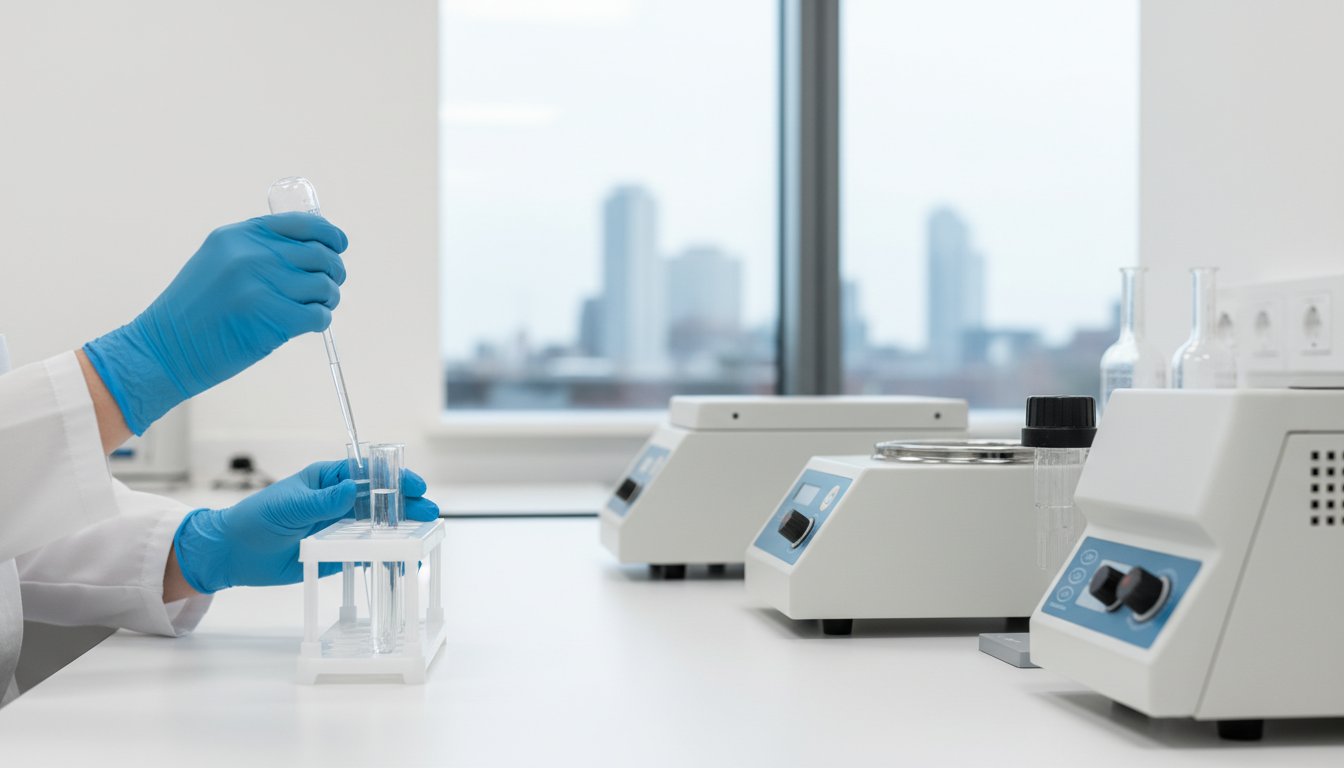
Many owners confuse a risk assessment with water sampling. While an assessment looks at the infrastructure, professional testing provides the physical proof that your legionella bacteria control measures are actually working. It's the difference between checking the locks on a door and confirming the building is secure. Sampling provides the laboratory data needed to validate your temperature regimes and chemical treatments.
Professional testing offers a level of peace of mind that DIY checks cannot match. Our Compliance Care approach makes this process simple and efficient. By choosing proactive management, you avoid the stress of reactive repairs and the high costs of emergency system disinfection. We provide clear, tailored reports that prove you've met your legal obligations. This structured approach keeps your properties safe and your conscience clear. Find out today how easy professional compliance can be.
Securing Your Property for 2026 and Beyond
Managing water safety doesn't have to be a complex regulatory burden for UK landlords. By 2026, the Health and Safety Executive's ACoP L8 guidelines remain the critical standard for protecting tenants from the risks associated with legionella bacteria. You've now identified that controlling water temperatures between 20°C and 45°C and preventing stagnation are the most effective ways to mitigate bacterial growth. Professional risk assessments aren't just a legal checkbox; they're a vital step in transforming health risks into long-term property security.
Our team delivers UK-wide professional testing and accurate compliance reports designed to give you specialist peace of mind. We focus on a problem-solution framework that simplifies your maintenance schedule. This ensures your records stay up to date and your building remains safe without the stress of navigating dense legislation alone. It’s time to move from uncertainty to total protection with our efficient Compliance Care approach. Take the first step toward a safer environment and a stress-free management experience.
Get your professional Legionella compliance quote today
Protecting your property is a proactive choice that pays off in safety and reputation. We're here to make that process fast, reliable, and entirely manageable.
Frequently Asked Questions
Is Legionella bacteria common in domestic homes?
Yes, low levels of Legionella bacteria are present in approximately 12% of UK domestic water systems. While usually harmless in small quantities, the bacteria multiply rapidly in stagnant water or temperatures between 20°C and 45°C. This makes guest bathrooms or properties left empty for over seven days particularly vulnerable. Keeping your water moving is the simplest way to maintain safety and ensure your system stays healthy.
Can you catch Legionnaires’ disease from drinking tap water?
No, you can't contract the illness by simply drinking water. Infection only happens when you inhale small droplets of contaminated water suspended in the air. These aerosols are typically produced by showerheads, spray taps, or power showers. If you accidentally choke and water enters your lungs, a small risk exists, but normal consumption of mains water is considered safe for healthy individuals.
What temperature kills Legionella bacteria instantly?
Legionella bacteria die instantly when exposed to temperatures of 70°C or above. At a sustained temperature of 60°C, 90% of the bacteria are destroyed within two minutes. We advise keeping your water heater set to at least 60°C and ensuring that water reaches your taps at 50°C within one minute of running. These precise settings are vital for effective system control and total peace of mind.
How often should a landlord test for Legionella bacteria?
Landlords aren't legally required to perform annual laboratory testing in most domestic settings, but you must conduct a risk assessment regularly. The HSE recommends a review every two years or whenever the water system undergoes a physical change. We suggest a yearly check to maintain your Compliance Care status. This ensures your property remains safe and your legal obligations are met without any unnecessary stress.
Can Legionella bacteria survive in a garden hose?
Yes, garden hoses are a common breeding ground because they often trap water in direct sunlight. This creates the perfect warm environment for legionella bacteria to thrive. When you use the spray attachment, you create a fine mist that is easily inhaled. You should flush any hose for at least 60 seconds before use if it has been sitting in the sun to clear any stagnant water.
What happens if Legionella bacteria is found in my water system?
You must act immediately to isolate the affected area and perform a full system disinfection. This usually involves a chemical flush or a thermal shock where water is heated to 70°C for a set period. Once completed, we provide a follow-up test to confirm your system is clear. Our professional process makes recovery fast and stress-free, allowing you to restore safety to your property quickly.
Is a Legionella risk assessment a legal requirement for all UK landlords?
Yes, carrying out a risk assessment is a mandatory legal requirement for all residential and commercial landlords in the United Kingdom. Under the 1974 Health and Safety at Work Act, you're responsible for the safety of your tenants. We make this easy by providing professional reports that prove your compliance. This protects you from potential legal action or fines that can reach thousands of pounds.
What is the difference between Legionnaires’ disease and Pontiac fever?
Legionnaires' disease is a serious lung infection that requires hospital treatment and has a 10% mortality rate. Pontiac fever is a much milder, flu-like respiratory infection that doesn't cause pneumonia. Both conditions result from exposure to legionella bacteria, but Pontiac fever usually resolves itself within two to five days without specific medical intervention. The primary difference is the severity of the impact on the lungs.